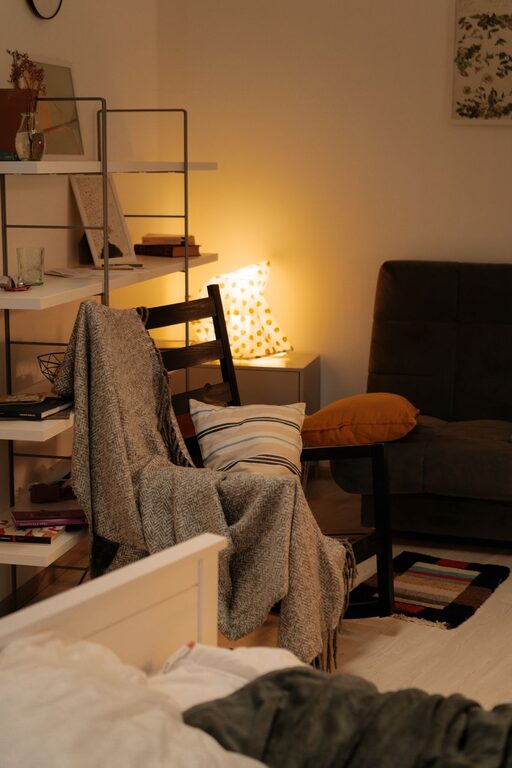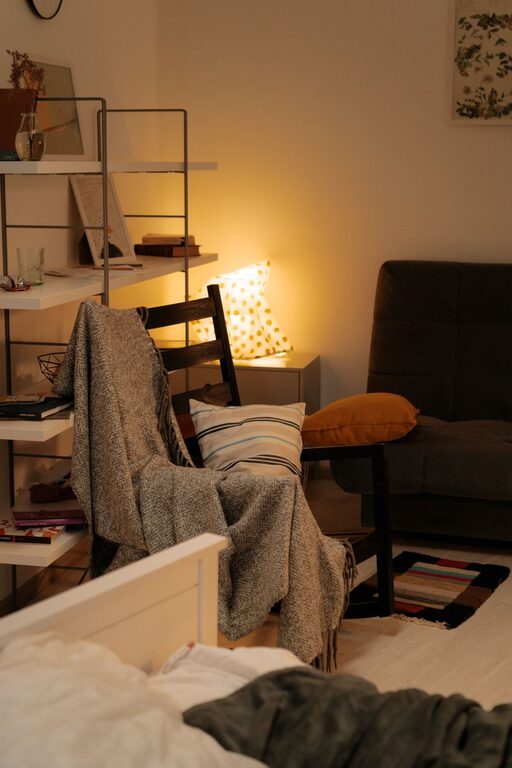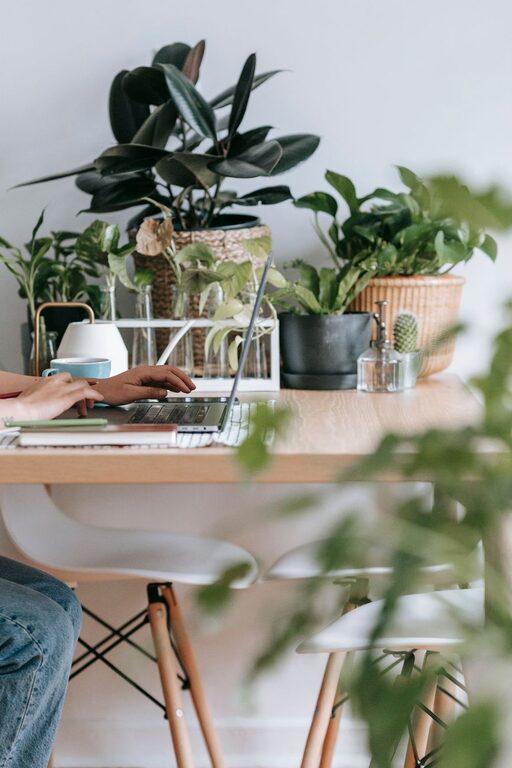

Creating a productive home office environment is essential for anyone working remotely or managing tasks from home. A well-designed workspace not only enhances focus but also supports comfort and efficiency throughout your workday. Whether you have a dedicated room or a small corner, there are simple yet effective ways to make your home office the best place to get things done.
Choose the Right Location
Selecting the right spot for your home office can have a big impact on your productivity. Ideally, pick a quiet area with minimal distractions. If possible, use a separate room to help mentally distinguish work time from personal time.
Tips for Location Selection
– Avoid high-traffic areas like the kitchen or living room.
– Look for a space with good natural lighting.
– Consider the proximity to noise sources, such as televisions or household activities.
Invest in Ergonomic Furniture
Comfort is key when spending hours at your desk. Ergonomic furniture helps reduce strain and supports better posture, which can prevent discomfort and fatigue.
Essential Ergonomic Items
– Desk and Chair: Choose an adjustable chair with lumbar support and a desk at a comfortable height.
– Monitor Stand: Position your screen at eye level to avoid neck strain.
– Keyboard and Mouse: Use devices that support a natural wrist position.
Optimize Lighting
Lighting influences both your mood and your ability to focus. Natural light is best, but proper artificial lighting is important when working during darker hours.
Lighting Tips
– Position your desk near windows if you can.
– Use a combination of ambient and task lighting to reduce eye strain.
– Avoid harsh overhead lights; instead, use desk lamps with adjustable brightness.
Organize Your Workspace
Clutter can be distracting and reduce productivity. Keeping your home office tidy helps create a clear mind and efficient workflow.
Organization Strategies
– Use storage solutions like shelves, drawers, and file organizers.
– Keep frequently used items within arm’s reach.
– Declutter your desk at the end of each day to start fresh tomorrow.
Minimize Distractions
Distractions are some of the biggest challenges when working from home. Creating a turn-off zone for interruptions lets you focus better.
Ways to Limit Distractions
– Set clear boundaries with family or housemates during work hours.
– Use noise-cancelling headphones or play background music if it helps concentration.
– Turn off notifications on your phone or computer that are unrelated to work.
Personalize Your Space
While keeping things organized, add some personal touches to make your workspace inviting. A pleasant environment can boost your motivation and creativity.
Ideas for Personalization
– Add plants to improve air quality and add greenery.
– Display inspiring artwork or photos.
– Use colors that energize or calm you, depending on your preference.
Create a Routine and Set Boundaries
Finally, a productive home office environment isn’t just about the physical space—it’s also about how you use it. Establishing a routine and clear boundaries supports focus and work-life balance.
Routine and Boundary Tips
– Start your workday at the same time each day.
– Take regular breaks to avoid burnout.
– End your workday by shutting down your computer and tidying your desk to signal the end of work.
Conclusion
A productive home office environment combines the right location, ergonomic furniture, good lighting, organization, minimal distractions, and a bit of personalization. By thoughtfully arranging your workspace and establishing healthy work habits, you can make working from home an enjoyable and efficient experience. Try implementing these tips to create a home office that supports your best work every day.
About the Author