Creating a relaxing home environment is something many people strive for, especially in today’s fast-paced world. Your home should feel like a sanctuary—a place where you can unwind, recharge, and find peace. Fortunately, you don’t need a complete makeover or expensive renovation to create a calming atmosphere. Simple decor changes can make a significant difference in how your space feels. In this post, we’ll explore practical tips to help you design a more relaxing home with ease.
Why a Relaxing Home Environment Matters
Before diving into decor tips, it’s important to understand why a calm home environment benefits your well-being. A peaceful space can reduce stress, improve sleep quality, and boost your mood. When your surroundings feel soothing, it’s easier to relax and focus on the things that matter.
1. Choose Soothing Colors
Color has a powerful effect on our emotions, so start by selecting a calming palette for your home. Soft, muted tones like light blues, greens, gentle greys, and creamy neutrals naturally evoke tranquility. Avoid overly bright or harsh colors in rooms meant for relaxation, such as bedrooms or living areas.
Tips for Using Color:
– Paint one wall in your favorite soothing color for a subtle impact.
– Incorporate colored accents like throw pillows or rugs to bring gentle tones into the space.
– Use white or light-colored furniture to keep the room feeling open and airy.
2. Bring Nature Indoors
Natural elements instantly create a sense of calm and connection to the outdoors. You don’t need a green thumb to enjoy these benefits.
Easy Ways to Include Nature:
– Add houseplants like snake plants, pothos, or succulents, which require minimal care.
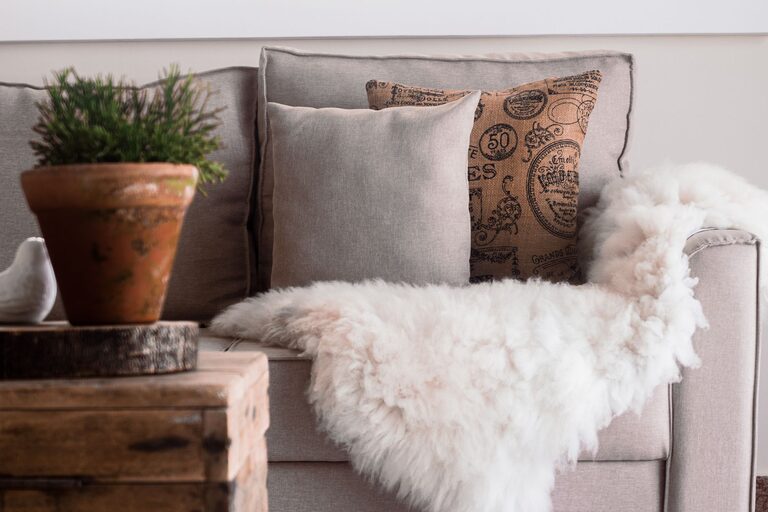
– Use natural materials such as wooden picture frames, wicker baskets, or linen curtains.
– Display stones, shells, or dried flowers collected from walks or trips.
3. Simplify Your Space
Clutter creates visual noise and can increase feelings of anxiety. A simple, organized home feels more spacious and peaceful.
How to Declutter Effectively:
– Regularly sort through your belongings and donate or recycle what you no longer use.
– Use storage solutions like baskets, bins, and shelves to keep items neatly out of sight.
– Keep flat surfaces clear except for a few meaningful decor pieces.
4. Use Soft Textiles
Adding soft textures can make a room feel cozy and inviting. Think textiles that add warmth without overwhelming the space.
Ideas for Cozy Textiles:
– Layer throw blankets on sofas or beds in calming hues.
– Include plush area rugs to soften hardwood or tile floors.
– Swap out stiff curtains for lighter fabrics like cotton or linen that move gently with the breeze.
5. Optimize Lighting
Lighting dramatically influences mood. A well-lit space feels welcoming, while harsh fluorescent lighting can create tension.
Lighting Tips for Relaxation:
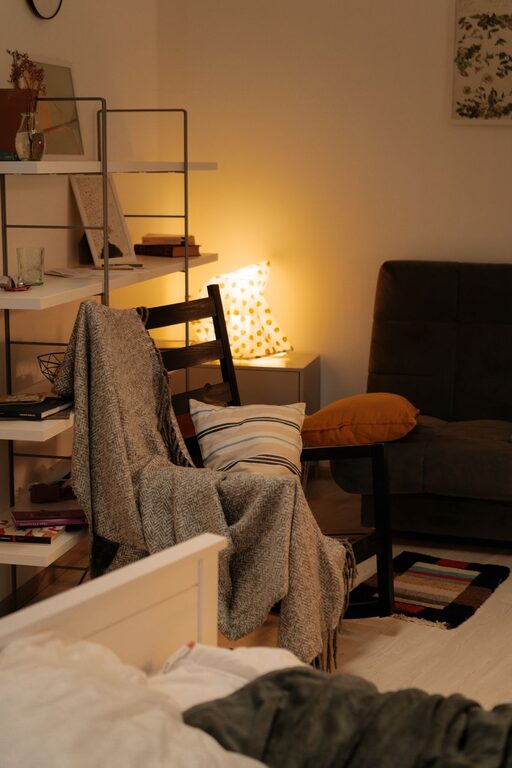
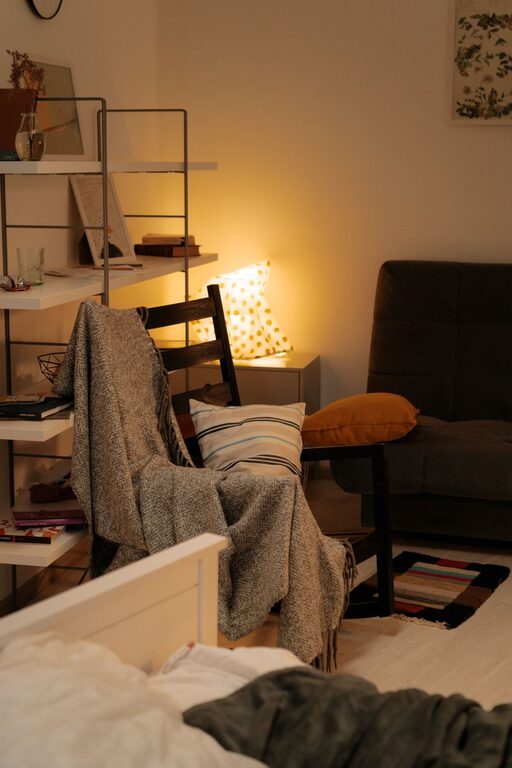
– Use lamps with warm-colored bulbs instead of bright overhead lights.
– Add dimmer switches so you can adjust light intensity depending on the time of day.
– Incorporate candles or fairy lights to cast a soft glow in the evenings.
6. Create a Dedicated Relaxation Spot
Even if your home is small, carving out a little nook just for relaxation helps establish a mindful habit of slowing down.
How to Create Your Spot:
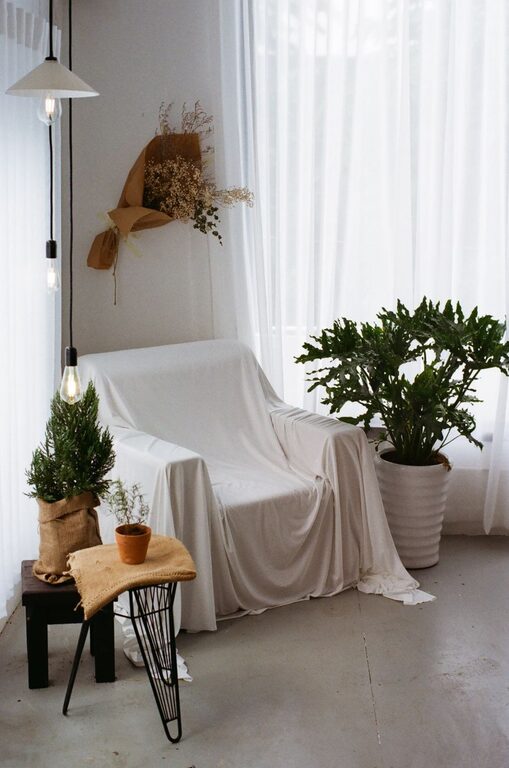
– Choose a cozy chair or floor cushion where you can read, meditate, or enjoy a cup of tea.
– Keep this area free from electronics or distractions.
– Add personal touches like a small table for your favorite book or a diffuser with calming essential oils.
7. Add Personal, Meaningful Decor
Decor that reflects your personality and happy memories can make a space feel safe and comforting.
Ways to Personalize Your Space:
– Frame photos, artwork, or quotes that inspire you.
– Display souvenirs from trips or special occasions.
– Use handmade or DIY decor to add uniqueness and a sense of accomplishment.
8. Maintain a Fresh, Pleasant Scent
Scent is closely tied to relaxation and memories. Filling your home with gentle, natural fragrances can elevate the calm atmosphere.
Scent Ideas:
– Use essential oil diffusers with lavender, chamomile, or eucalyptus.
– Burn soy or beeswax candles with subtle scents.
– Place fresh flowers or herbs like mint or rosemary in your living spaces.
—
Final Thoughts
Creating a calm home environment doesn’t require major changes or costly updates. By focusing on simple decor tweaks—like choosing soothing colors, decluttering, adding soft textiles, and optimizing lighting—you can transform your living space into a tranquil haven. Start small, be intentional with your choices, and enjoy the process of making your home a place where peace and relaxation come naturally.
Remember, your home should be a reflection of what makes you feel comfortable and calm. Use these tips as a guide, but trust your own instincts and preferences above all. Happy decorating!
About the Author